Workshops
Cultural heritage workshops in coöperation with Red Star Line Museum
The Red Star Line Museum tells a universal story of hope, dreams, and the quest for happiness at the authentic location of the historic shipping company on Antwerp’s Eilandje, using personal stories of emigrants from the 20th century.
The “ONS MUSEUM” project | Shaping the museum’s future collection together
[2025-NOW]
What do you think is important to preserve and display? How do people with a migrant background want to preserve and display their stories? What objects, memories, smells, tastes and traditions do they pass on to the next generations?
ONS MUSEUM is a participatory project by the Red Star Line Museum. Together, we explore: How do you create a museum collection with the people whose stories we tell? How do you put their wishes and choices first? We research inspiring examples in foreign museums and, above all, we have started working together.
Workshops
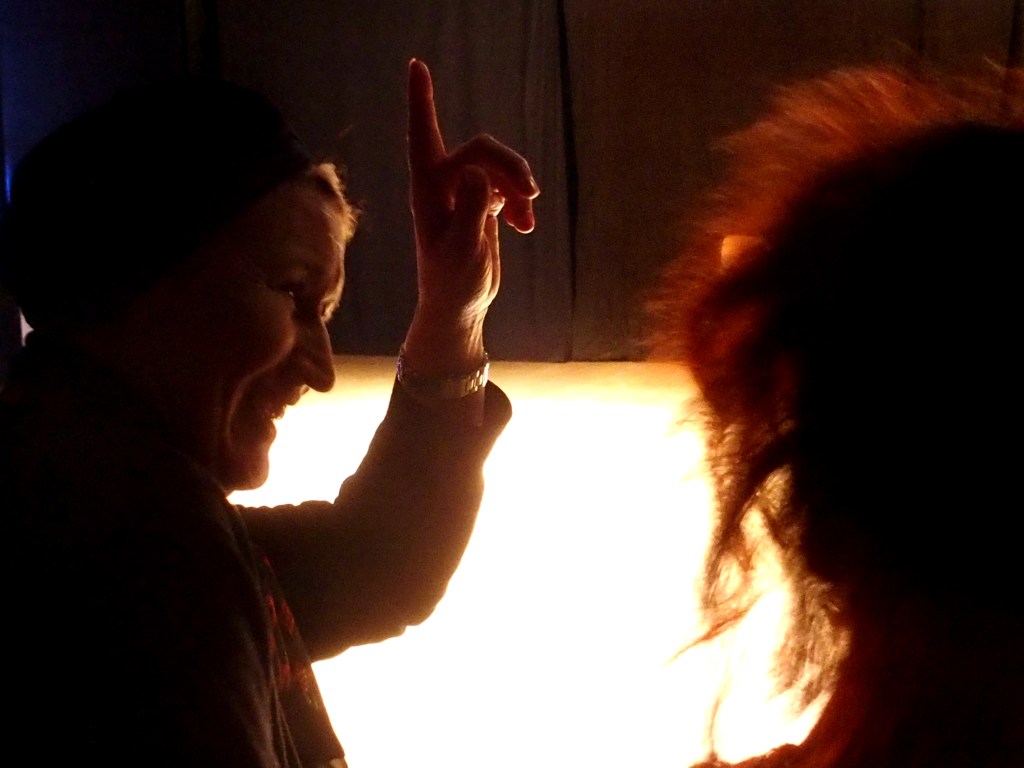
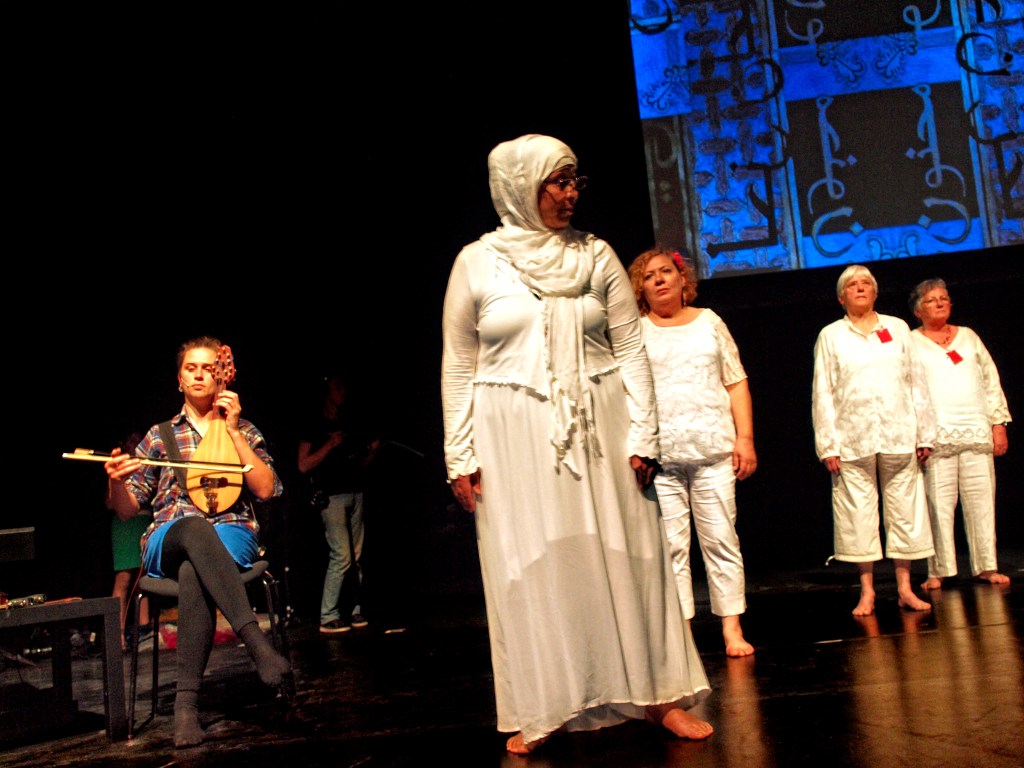
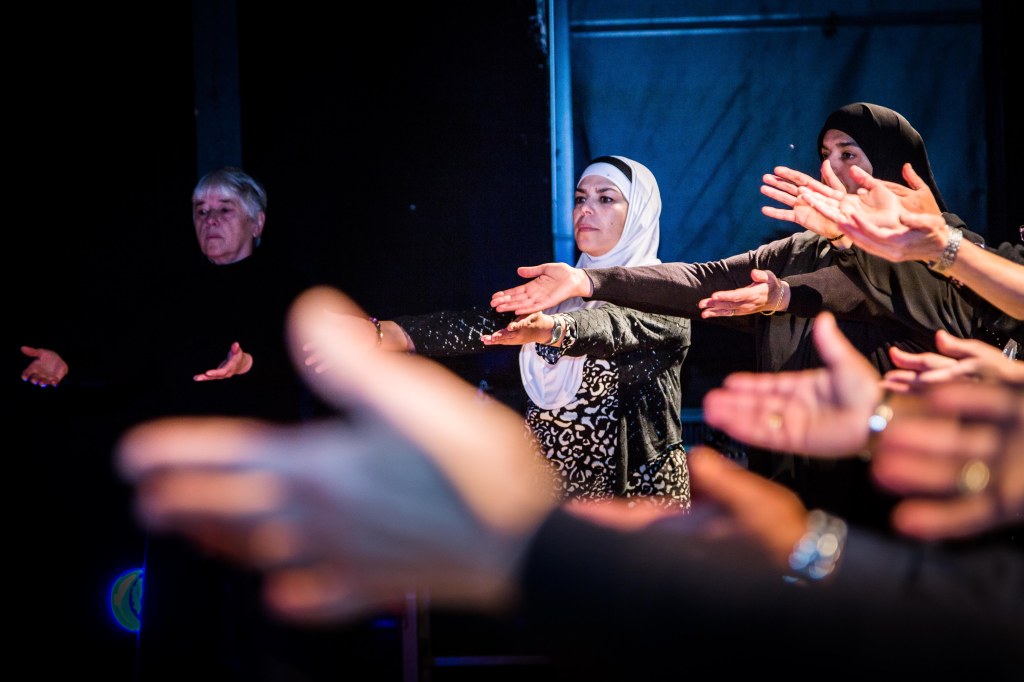
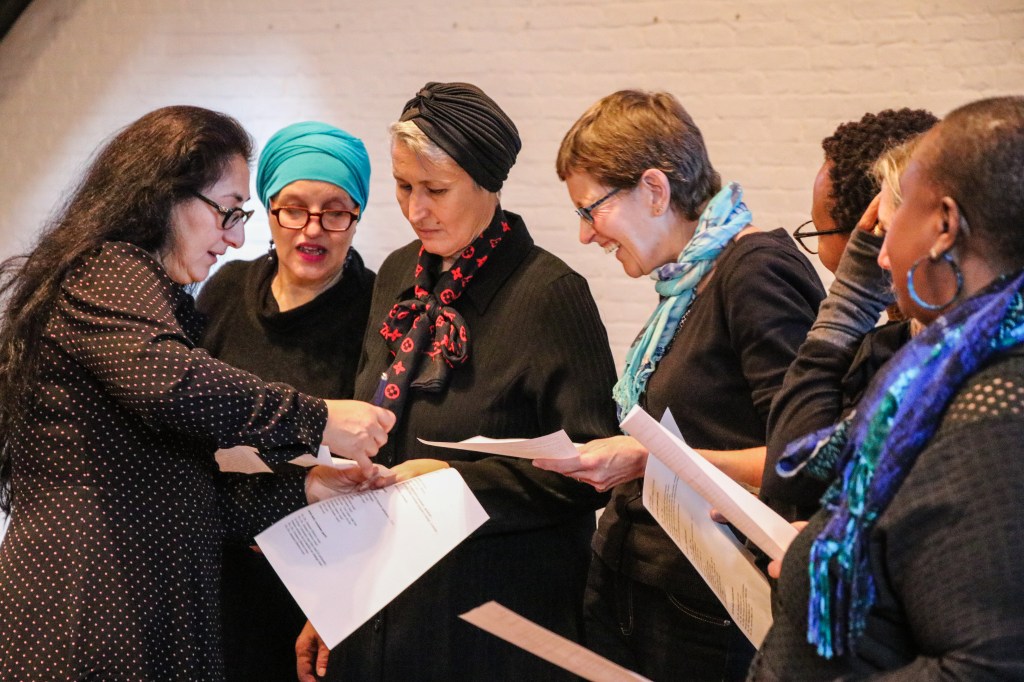
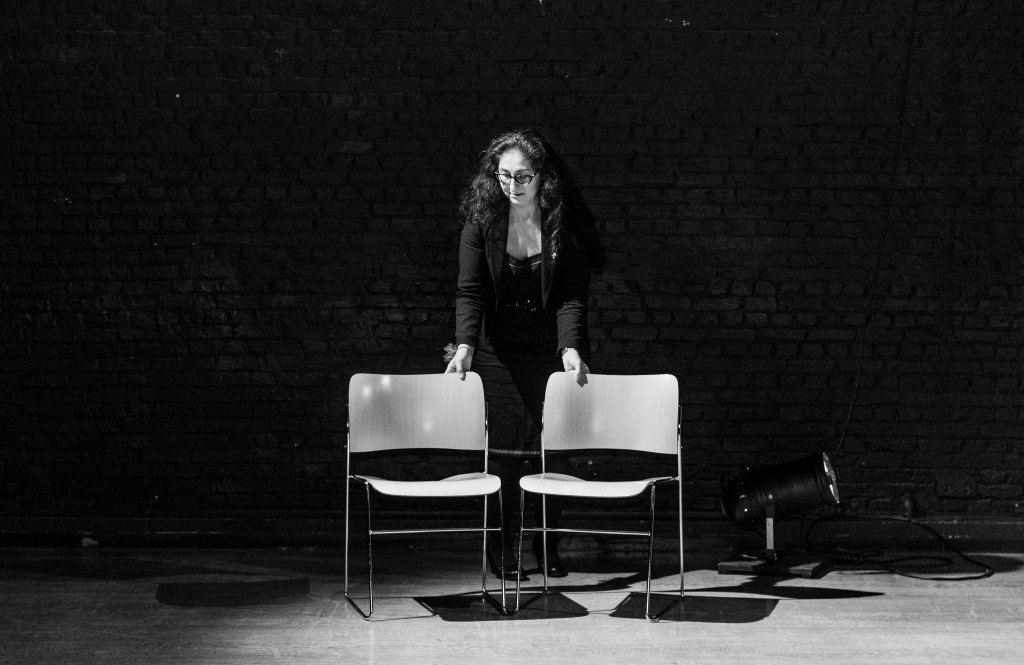
For six months, twelve people with a migrant background worked together with creative coach Sara Avci (Palhik Mana vzw) and Lisa Yolanda Lambrechts (Red Star Line Museum). In a series of workshops using creative methods and heritage discussions, they answered three key questions:
- What would I like to donate to a museum to share with others? Are these just objects, or also tastes, smells, memories, objects that no longer exist?
- How can a museum preserve my migration heritage and share it with others? Even if there are no objects?
- What care, relationship and trust do I need from the museum throughout this process?
Each participant created a collage, a Museum of themselves. In it, they interwove their personal migration history and that of their parents and grandparents. Objects, absent things, traditions, smells, tastes, sounds and memories all found a place.
The result of this process was on display in September 2025 in the temporary exhibition OUR MUSEUM.
Moussem Cities
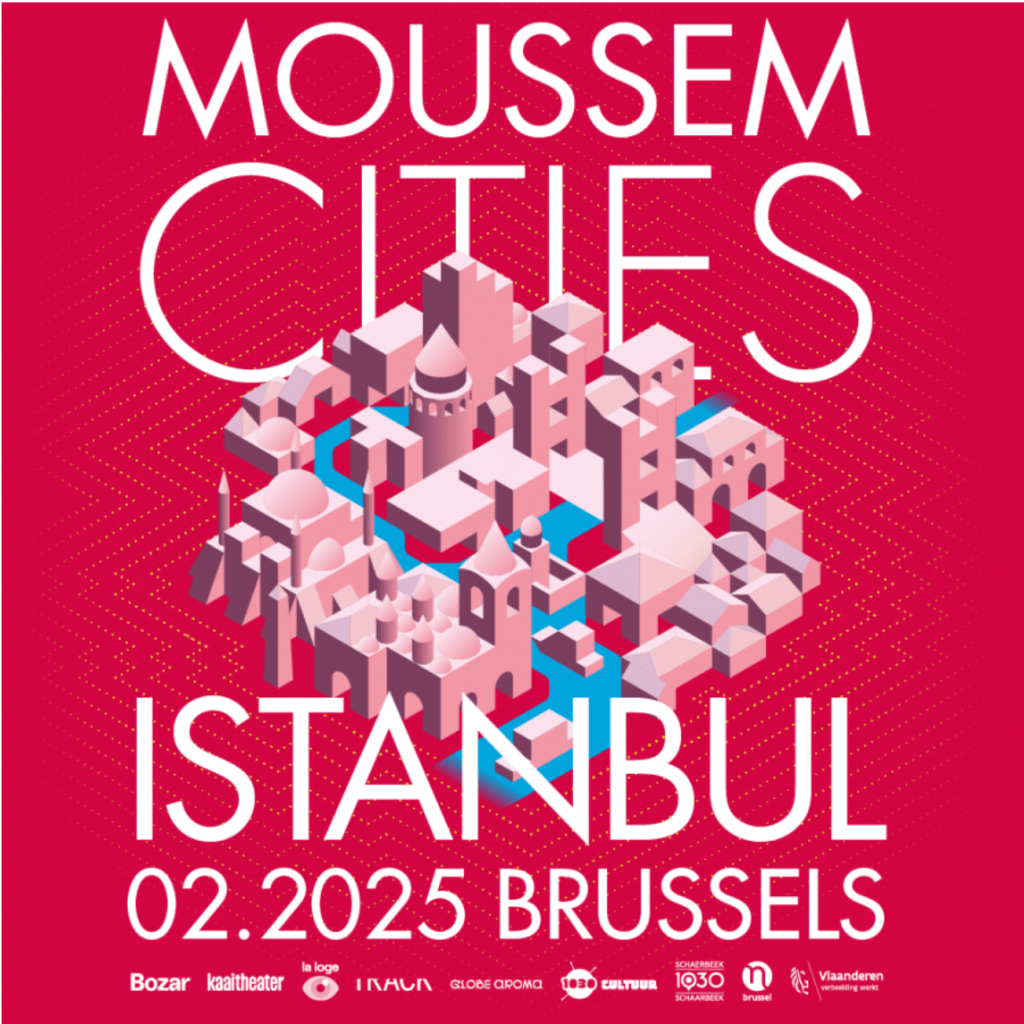
With Moussem Cities, Moussem and its Brussels-based partners focus their attention on a metropolis with a rich and culturally diverse history, where artistic vitality plays a central role. Following previous editions dedicated to Casablanca, Beirut, and Tehran, Istanbul takes center stage in 2025. This city, shaped by centuries of transformation—from its origins as Constantinople to its current status as a transcontinental metropolis—has maintained its role as a beacon of inspiration, radiating an unmistakable grandeur.
For one month, the multidisciplinary festival Moussem Cities offers a diverse program of exhibitions, participatory projects, performance art, literature, film screenings, concerts, and discussions. These events celebrate Istanbul’s vibrant artistic scene and highlight its profound connections to global creativity.
Moussem Cities serves as a dynamic platform for artists, exploring universal themes, highlighting local artistic and socio-political contexts, and fostering meaningful exchanges with Brussels.
 Palhik Mana